
I founded the Ultimate Design System and led the entire product development as the product owner from initial concept through design, build, and testing. I theorized the core systems, designed the experience architecture, defined the design logic and assumptions, built the collaboration framework, and guided the implementation and iteration.
Built it across web and digital platforms for enterprise-scale deployment across multiple brands and client projects.
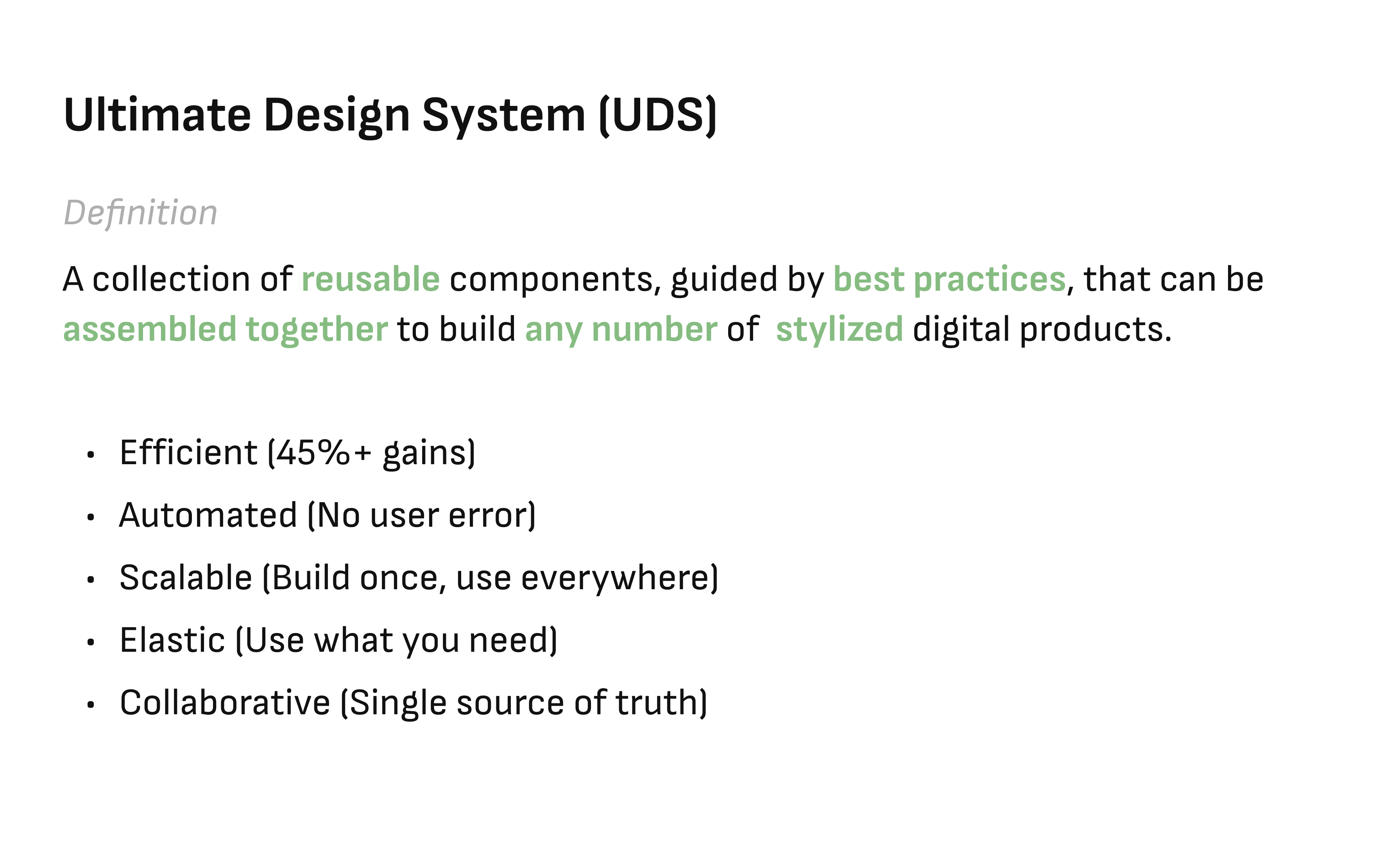
UDS (Ultimate Design System) provides a robust framework to ensure visual and functional consistency across all digital products. It serves as a single source of truth for designers, developers, and content writers, enabling cohesive experiences across user interfaces. This system details the structure, components, and usage guidelines I developed to solve a problem I kept seeing in enterprise digital production: teams struggling with inconsistent implementations, scaling challenges, and inefficient workflows across multiple brands.
Most design systems are just component libraries with style guides. They don't address the real problem — how do you maintain brand integrity while rapidly scaling across dozens of clients and projects?
I wanted to build something that actually worked for enterprise reality:
Everything in the system flows from that.
I started by observing how design, content, and development teams actually collaborate on multi-brand digital products. Not the idealized process, but what really happens.
Turned out the bottlenecks weren't where people thought. Token management, component reusability, and handoff clarity mattered more than having perfect Figma files. And efficiency is context-dependent — what works for a single-brand team breaks down at enterprise scale.
That became the foundation.
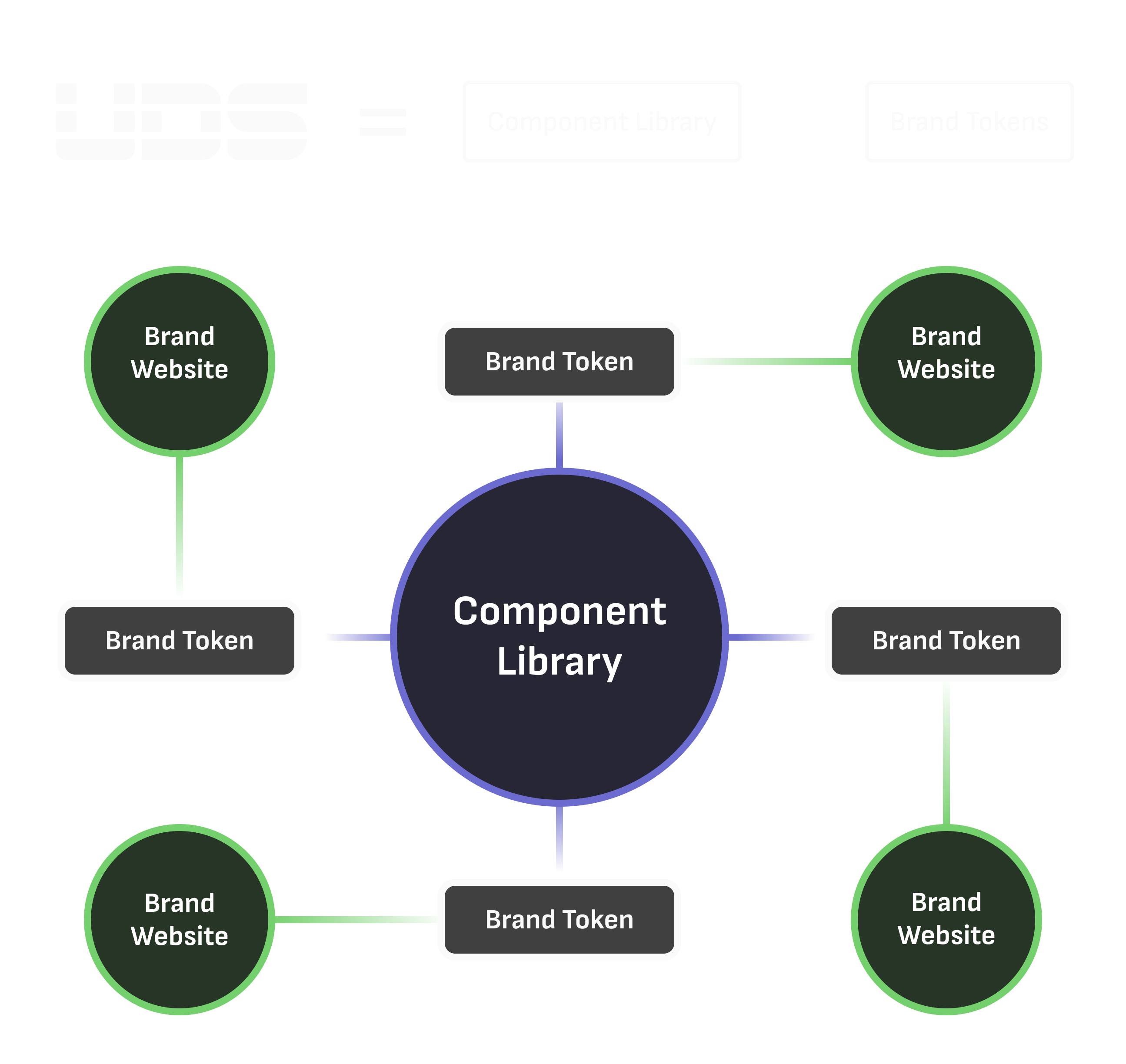
Most design systems are built on the component-first model. I structured UDS around tokens and brand-specific customization layers.
The core flow:
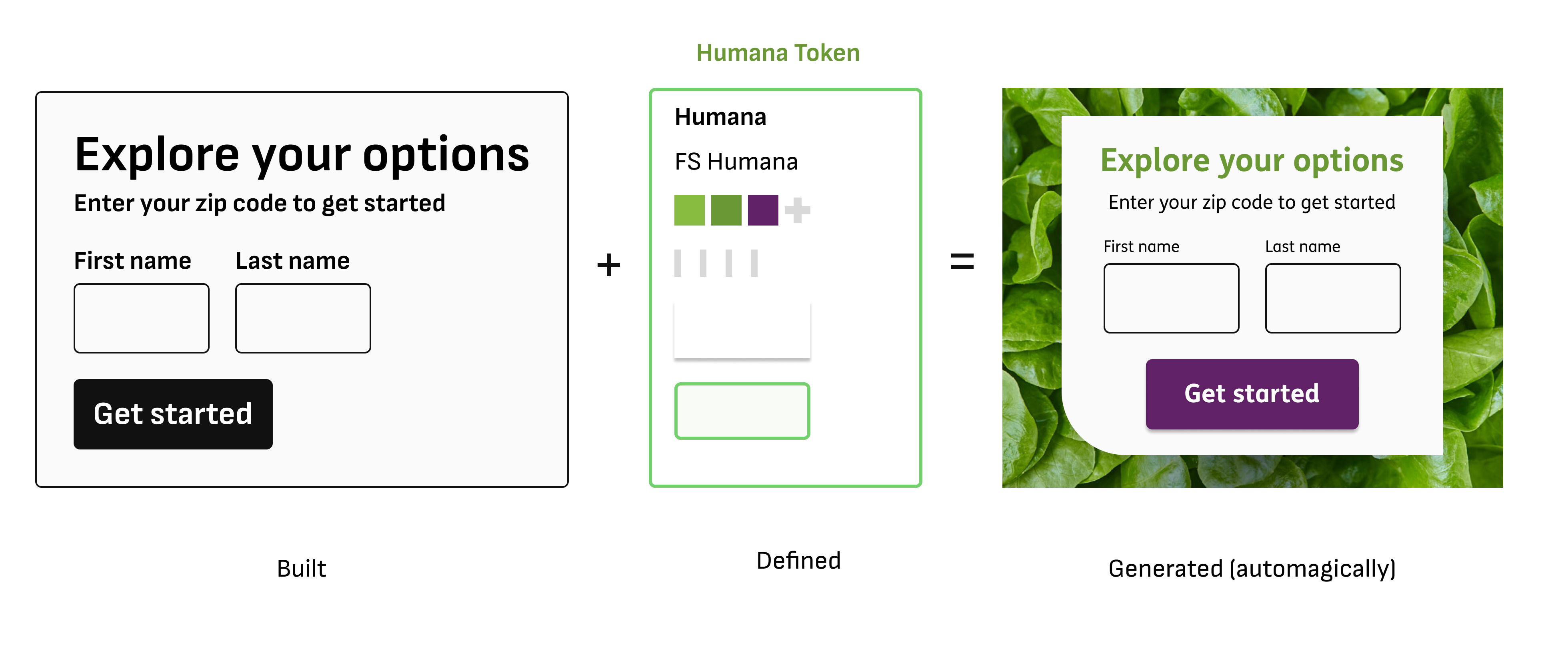
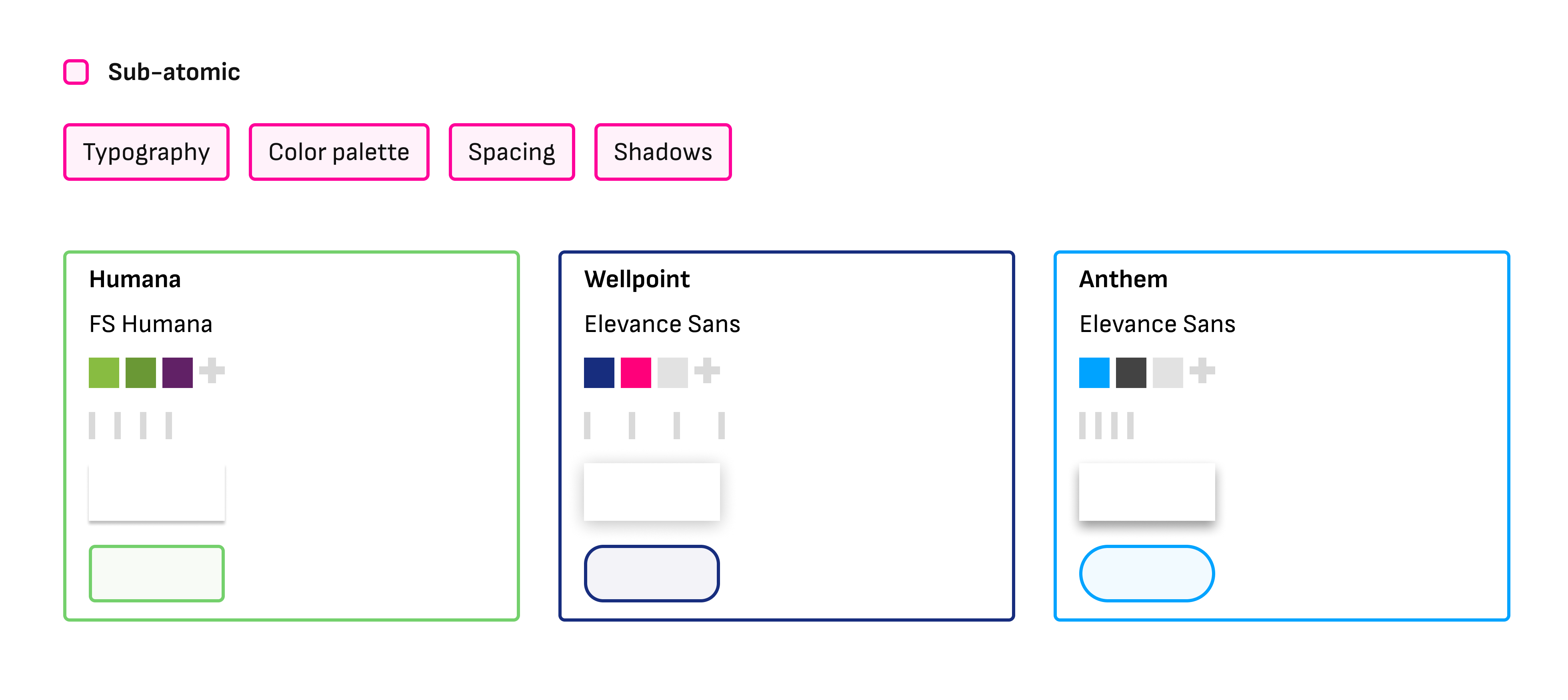
Not just colors and fonts. A complete token architecture that separates global standards from brand-specific customizations. Brand teams can create their visual identity without touching the underlying system logic.
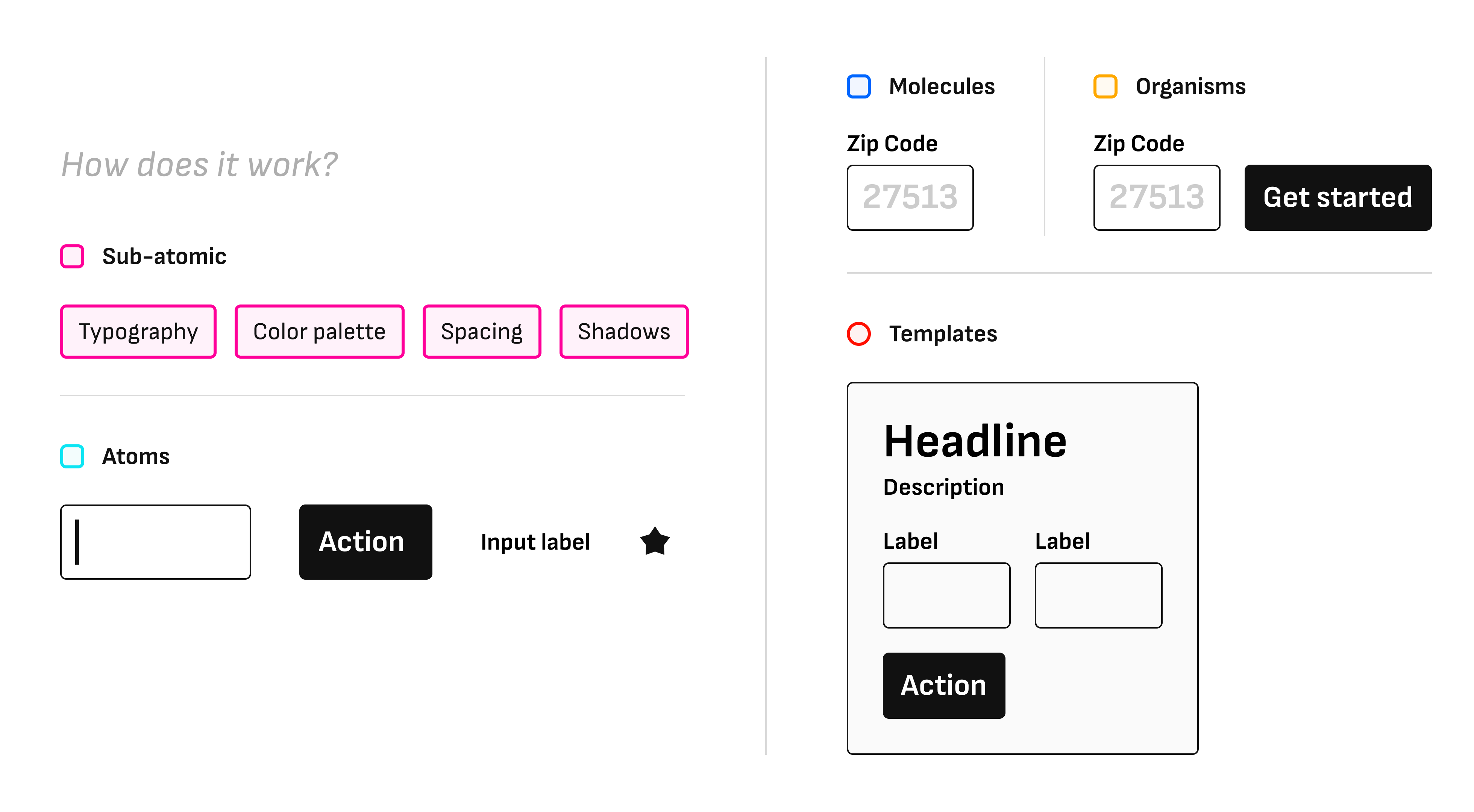
Modular components designed around real project needs, not theoretical completeness. Each component is brand-agnostic at its core but adapts to any brand token.
Available in Storybook with full parameter documentation so teams understand capabilities and can make informed decisions about whether to use existing components, create variants, or build new ones.
A back-office environment I built where content and design teams can rapidly prototype, experiment, and build pages without developer or QA involvement.
No code required. Real output.
Most design systems document components but ignore workflow. I built the entire operational framework:
Everything connects. No manual file shuffling.
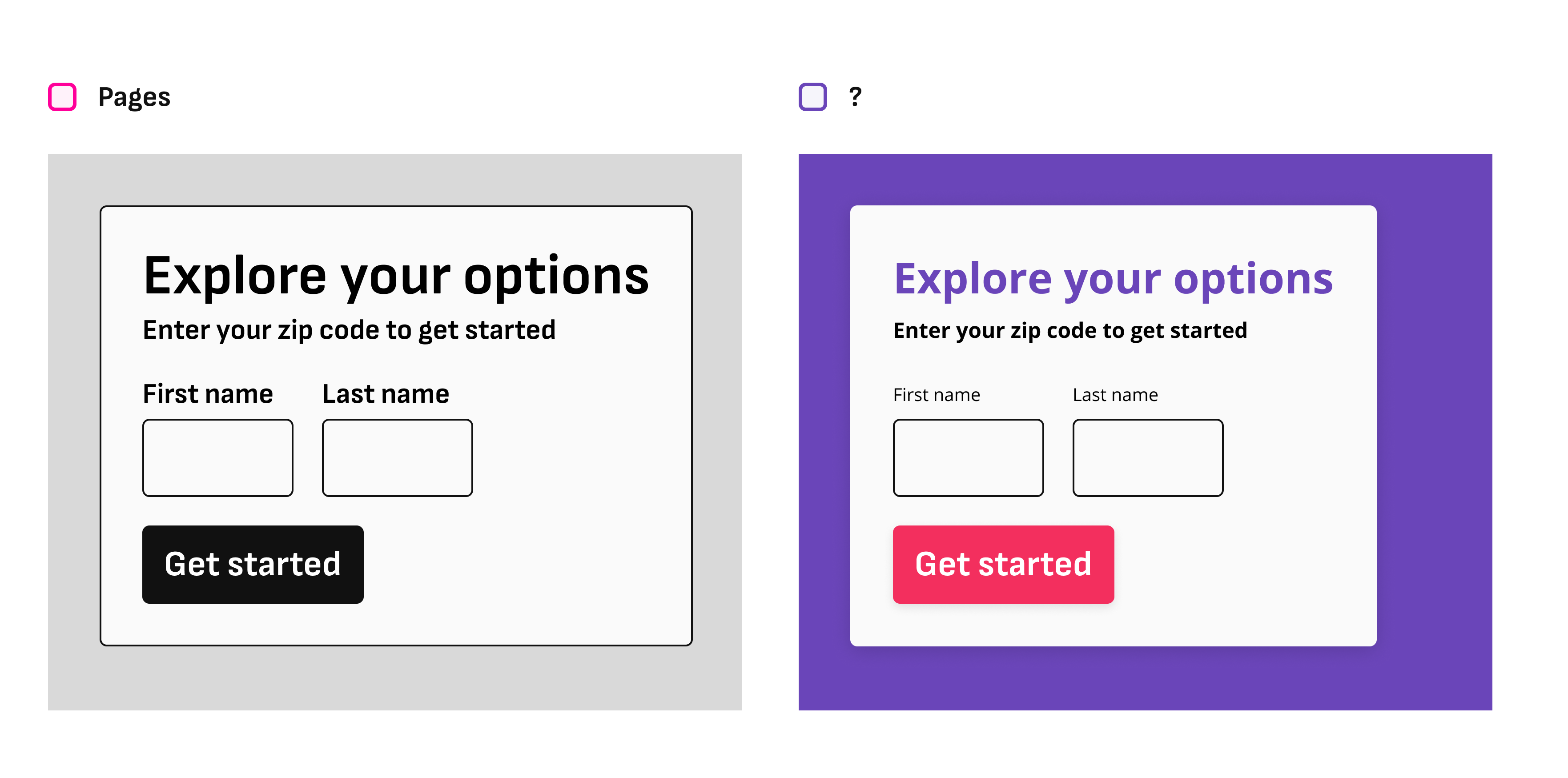
Modular Design — Components and brand-specific attributes can be reconfigured and reused to create diverse digital assets. This supports rapid assembly of customized products for different clients.
Dynamic Sizing and Scaling — Employing musical scale ratios (Major Third at 1.25) ensures all typographic and component scaling is harmonious, aesthetically sound, and adaptable across devices and resolutions.
Token-based Customization — Reduces dependency on external tools while maintaining compatibility. Teams can directly import tokens and assets, optimizing resource allocation.
Rapid Prototyping — The Showroom environment accelerates iteration and reduces time from concept to deployment without developer involvement.
Single Source of Truth — All teams use consistent, up-to-date design tokens and components. This consistency maintains brand trust and coherence across all digital outputs.
Cross-Team Workflow Facilitation — Centralized resources and guidelines enhance collaboration, simplify sharing and updating, and ensure everyone works from the same standards.
Built-in Accessibility Standards — All designs comply with WCAG guidelines, ensuring digital products are accessible to all users. This broadens market reach and enhances user experience.
Inclusive Design Practices — Color choices, typography, and interactive elements are engineered to be clear and usable for everyone.
Maintaining Brand Integrity — The system enforces consistency in visual and functional elements across all digital products, building and reinforcing brand trust.
Quality Assurance — Integration of design principles with practical functionalities ensures every digital asset meets high-quality standards, reducing errors and enhancing user experience.
I iterated constantly based on real deployment across multiple enterprise clients:
UDS is live and being used across 10+ enterprise brands and digital products. Teams report 50% faster delivery, better consistency, reduced developer dependency, and more confident scaling to new brands.
Tokens beat components. Most design systems optimize for component completeness. I optimized for token flexibility — brand customization, scaling consistency, cross-platform adaptability.
Process is product. Good components are table stakes. What actually matters is the workflow — the handoffs, the role clarity, the feedback loops, the signals the system sends about how to use it.
Know your users. We didn't build a generic design system. We built something for a specific context — enterprise teams managing multiple brands where speed, consistency, and accessibility are everything.
Features need purpose. Every feature in UDS answers a real question teams have:
Token architecture, workflow frameworks, Figma Token Studio integration, component library, Showroom prototype environment, cross-platform design system, GitHub integration, Token Generator tool, assessment protocols, role-based documentation, handoff procedures, accessibility standards, complete implementation across 10+ enterprise brands.
UDS keeps evolving because the core premise still holds: enterprise design systems shouldn't be about documentation and guidelines. They should be workflow-aware, operationally practical, and actually useful for teams at scale.
Every feature I build reinforces that. That's the work.
I founded the Ultimate Design System and led the entire product development — from initial concept through design, build, and testing. I theorized the core systems, designed the experience architecture, built the framework, and ran all the implementation and iteration.
Built it across web and digital platforms for enterprise-scale deployment across multiple brands and client projects.








.png)


